
Driveway Installation in Hampshire
A new driveway should do more than improve the front of your property. It should provide safe, practical access, cope with everyday vehicle use and manage surface water properly.
Driveways Designed Around Your Property
Every property is different. The size and shape of the area, existing surface, ground conditions, drainage, access and amount of vehicle use can all affect the right driveway solution.
A good driveway project starts with understanding these factors rather than choosing a surface based on appearance alone.
New Driveway Installation for Homes: A new driveway can create useful parking space while giving the front of your property a cleaner, more finished appearance. Depending on the site, installation can include removing existing materials, excavation, ground preparation, sub-base installation, drainage, edging and the final driveway surface.
Driveway Replacement and Resurfacing: An old driveway does not always need to be completely rebuilt. Depending on its condition, local repairs, resurfacing, partial reconstruction or full replacement may be suitable. Where the existing base is unstable or drainage problems are present, simply covering the surface may not resolve the underlying issue.
Residential and Small Commercial Driveways: Driveways and suitable surfacing can be used for homes, offices, rental properties and other smaller commercial premises. Commercial requirements can differ because of vehicle frequency, loading requirements, access arrangements and the size of the area.
Access, Edging and Associated Groundworks: Driveway projects can also involve edging, kerbs, access improvements, paths or other associated groundworks. Where a new or widened vehicle crossing is required, the highway side of the project needs separate consideration.
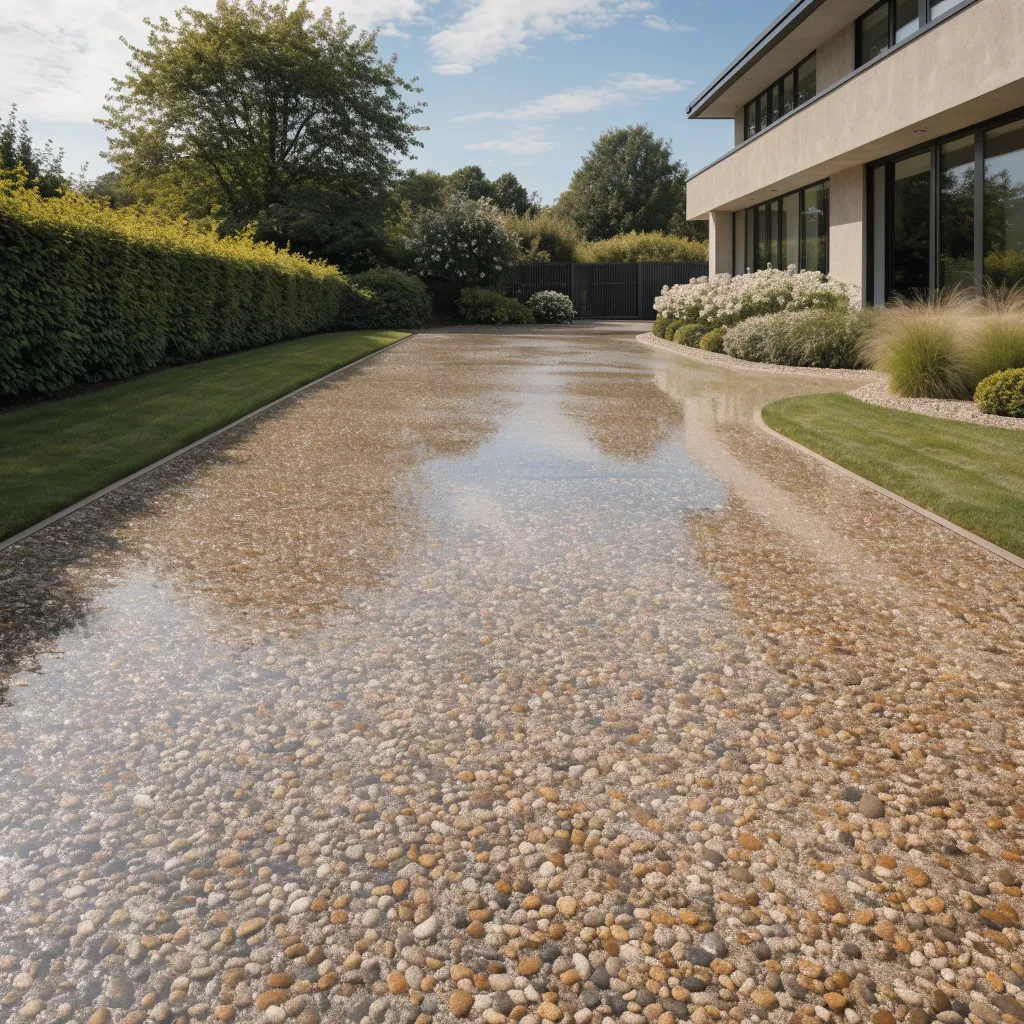
Choosing the Right Driveway Surface for Your Property
There is no single driveway material that is right for every property. The appropriate option depends on how you use the space, the appearance you want, maintenance requirements, drainage, ground conditions and your project budget.
Tarmac Driveways: Tarmac provides a practical, smooth surface suitable for regular vehicle use and can work well across a range of property styles. It can be considered where you want a straightforward everyday surface, particularly for larger areas.
Block Paving: Block paving provides greater flexibility when appearance and design are important. Different colours, patterns, borders and laying arrangements can create a driveway that complements the property. Individual blocks can also be removed and replaced when repairs are required.
Resin-Bound Driveways: Resin-bound surfacing can provide a smooth, decorative finish with a wide choice of aggregate colours. The finished result depends on proper preparation, a suitable base and appropriate drainage design.
Gravel Driveways: Gravel can provide a traditional appearance and can work particularly well around rural or period-style properties. However, gravel can move under vehicle traffic and may require maintenance to keep the surface even and tidy.
Concrete Driveways: Concrete can provide a strong, firm surface where durability is important. Different finishes and design approaches are possible, although drainage, ground preparation and overall appearance should still be considered.
Driveway Surface | Typical Strengths | Important Considerations |
Tarmac | Practical, smooth and suitable for regular use | Decorative options are more limited |
Block paving | Flexible designs, colours and patterns | Joints may need maintenance |
Resin-bound | Smooth, decorative appearance | Requires suitable preparation and system design |
Gravel | Traditional appearance and flexible layout | Can move and require regular maintenance |
Concrete | Strong, firm surface | Design, drainage and ground preparation need consideration |
The final choice should also take account of the property’s drainage and access requirements.
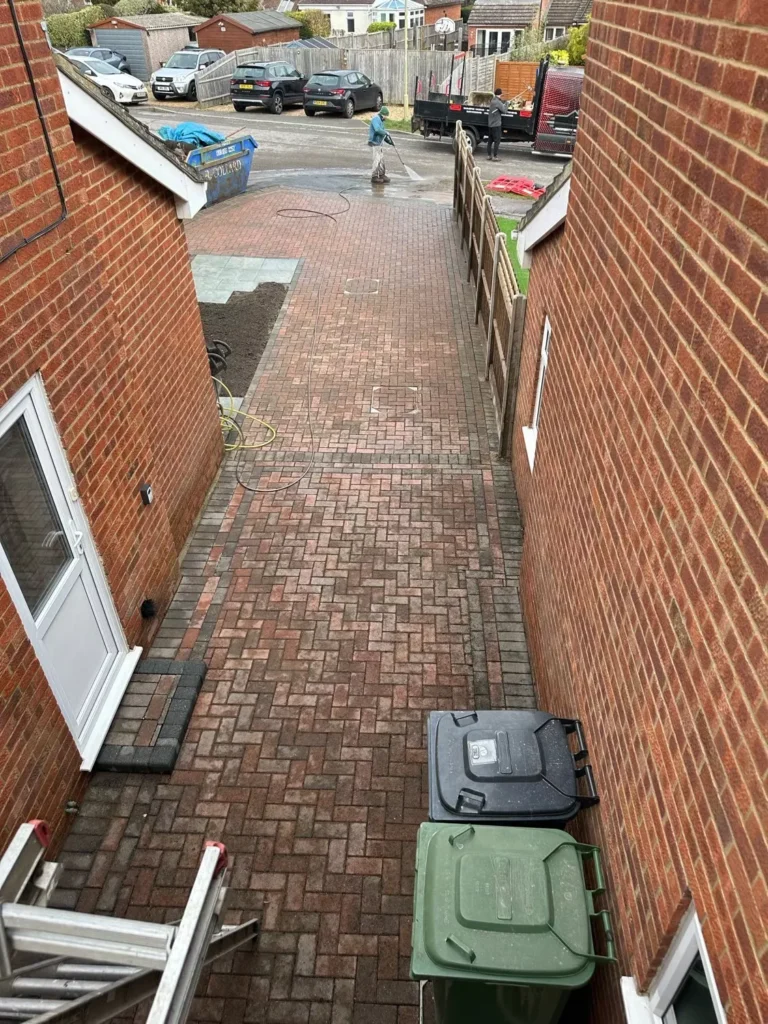
What Makes a Driveway Durable? The Work Beneath the Surface
A driveway is not simply the material you see on top. The layers beneath it help distribute vehicle loads and provide the foundation for the finished surface. Proper preparation is therefore an important part of driveway installation.
Ground Conditions: The existing surface, soil, levels, drainage and access should be considered before construction. Soft, uneven or poorly drained ground may require more preparation than a stable existing area.
Excavation and Surface Removal: Where required, the existing driveway or other surface can be removed to create a suitable area for the new construction. The amount of excavation depends on the existing construction, ground conditions and proposed driveway design.
Sub-Base Preparation and Compaction: The sub-base forms an important part of the driveway structure. It helps distribute vehicle loads and provides a stable foundation for the surface above it. The appropriate material and construction method depend on the driveway system and site conditions.
Long-Term Everyday Use: A well-designed driveway needs to cope with repeated vehicle movements, changing weather and normal wear. Ground stability, load distribution, surface choice, drainage, edging, vehicle access, maintenance and expected usage should all be considered.
Driveway Drainage and Surface Water Management
Drainage is an important part of driveway design. Rainwater needs somewhere suitable to go. If water collects on the surface or is directed towards the property without proper management, it can create avoidable problems.
Why Drainage Matters: Good drainage planning can help reduce standing water, pooling near buildings, surface deterioration, unsuitable run-off and problems caused by poor falls.
Managing Rainwater and Surface Run-Off: Rainwater can be managed in different ways depending on the driveway design and surrounding ground. Possible approaches include allowing suitable water to soak into the ground, directing water towards an appropriate permeable area or using a suitable drainage system.
Permeable and Porous Surfaces: Permeable or porous surfacing can allow water to pass through the surface and into the underlying construction. The complete driveway system should be considered, including the surface, sub-base and drainage design.
Drainage Channels and Falls: Drainage channels can be used where appropriate to collect and direct surface water. Suitable falls can also help move rainwater away from areas where it could cause problems.
Soakaways and Other Solutions: Where site conditions allow, a soakaway can provide a way of allowing collected water to drain into the ground. Other solutions may be appropriate where soil conditions or the layout of the property make a soakaway unsuitable.
Preventing Water Pooling: If an existing driveway regularly holds water, simply replacing the visible surface may not solve the problem. Poor falls, blocked drainage, ground levels, inadequate drainage provision, damaged construction or local ground conditions may need to be investigated.
Planning Permission and Driveway Access Requirements in Hampshire
Driveway projects can involve both planning considerations and highway requirements. These are not always the same thing.
Planning Permission: For household front gardens in England, planning permission is generally not needed for a new or replacement driveway where permeable or porous surfacing is used, or where rainwater is directed to a lawn or border for natural drainage. Traditional impermeable surfacing covering more than 5 square metres where suitable drainage is not provided can require planning permission. Individual properties may have additional restrictions, so the relevant planning authority should be checked before work begins.
Permeable and Impermeable Surfacing: The choice of surface can affect both appearance and drainage requirements. Permeable options can allow rainfall to pass through the surface, while impermeable surfaces require suitable arrangements for managing water.
Conservation Areas and Listed Buildings: Additional planning considerations can apply to listed buildings and properties in designated areas. Other restrictions can also apply depending on the property and location.
Dropped Kerbs and Vehicle Crossings: If you are creating a new vehicle access from your property onto a public road, a dropped kerb or vehicle crossing may be required. Approval for creating or extending a vehicular access is separate from simply installing a driveway inside the property boundary.
Highway Requirements: Work affecting the public highway can involve additional requirements and licences. These should be checked before construction begins.
Checking Requirements: Planning and highway requirements should be confirmed before work starts. Walker and Grouse can discuss the practical requirements of your driveway project, but homeowners should ensure the correct permissions and approvals are in place where required.
Curtain Walling & Windows
Our Driveway Installation Process From Survey to Completion
Enquiry, Survey & Design
We begin by understanding what you want to achieve, whether you need a new driveway, additional parking, improved access or a different surface. The site can then be assessed for dimensions, access, levels, drainage and ground conditions before discussing suitable materials, layout and design options.
Preparation & Installation
Once the project details and quotation are agreed, work begins with excavation and ground preparation. Depending on the site, this may include removing an existing surface, preparing levels, installing and compacting the appropriate sub-base, and completing any required drainage work before the selected driveway surface is installed.
Finishing & Completion
The final stage includes edging, finishing and cleaning the surrounding area once the main installation is complete. The completed driveway can then be inspected against the agreed work, with relevant aftercare or maintenance information provided for the chosen surface.
Quotation
Where applicable, the quotation should identify the main elements of the project, including preparation, excavation, materials, drainage, edging, waste removal and finishing. This provides a clearer understanding of the proposed works and what is included within the project. Site-specific requirements can also be taken into account when preparing the quotation.
Excavation and Ground Preparation
Depending on the site, preparation can include removing an old surface, excavating unsuitable material, preparing levels and creating the required foundation. The extent of excavation will depend on the existing ground conditions and the selected driveway system. Proper preparation helps provide a suitable foundation for the layers and finished surface above.
Sub-Base and Drainage
The appropriate sub-base can be installed and compacted, alongside any planned drainage work. The sub-base provides stability beneath the driveway and forms an important part of the overall construction. Drainage requirements can also be addressed where necessary to help manage surface water and reduce potential problems with the finished driveway.
How Much Does a New Driveway Cost in Hampshire?
There is no reliable single price for every driveway. Two properties with the same driveway area can require very different amounts of preparation, excavation, drainage and finishing work.
Main Cost Factors: Driveway size, shape, existing surface, excavation, ground conditions, sub-base requirements, chosen material, drainage, kerbs, edging, access, waste removal, design details and site access for machinery and materials can all affect the final cost.
Driveway Size and Layout: Larger driveways generally require more materials and labour, while curves, changes in level, narrow access points and complex borders can require additional planning and finishing.
Existing Surface and Excavation: Replacing an existing driveway may involve breaking out and removing the old material. The depth and type of existing construction can affect excavation and waste removal requirements.
Ground Conditions: Stable ground and unsuitable ground do not require the same preparation. Additional groundworks or sub-base construction can change the overall project scope.
Material and Design Choices: Different driveway materials have different installation requirements and price points. Decorative borders, patterns, specialist finishes and additional features can also affect the final cost.
Drainage and Additional Groundworks: Drainage channels, soakaways, edging, kerbs and access work can form part of the project and should be considered when comparing quotations.
New Driveway, Resurfacing or Repair: Which Is Right for You?
Not every damaged driveway needs a complete replacement. The appropriate solution depends on the condition of the existing surface and what lies underneath it.
Driveway Repairs: Local repairs may be suitable where the main driveway remains structurally sound. Isolated damage, localised surface defects or minor areas may only need targeted attention.
Resurfacing: Resurfacing can be considered where the existing construction is sufficiently stable but the visible surface has deteriorated. The condition of the existing base should be assessed first.
Full Replacement: Complete reconstruction may need to be considered where there is significant sinking, extensive cracking, repeated potholes, severe surface movement, poor underlying construction, persistent drainage problems or widespread deterioration.
Cracks, Potholes and Uneven Surfaces: Different defects can point to different underlying problems. Repeated sinking may relate to ground movement or inadequate preparation, while standing water may indicate issues with falls or drainage.
Water Pooling: If water repeatedly collects in the same location, replacing only the top surface may not resolve the issue. Levels, drainage routes and underlying construction should be considered.
Assessing the Existing Base: The decision between repair, resurfacing and replacement should be based on the condition of the existing driveway. A proper assessment can help avoid investing in a new surface while leaving an underlying problem unresolved.
Driveway Design Ideas for Hampshire Homes
A driveway is one of the first parts of a property that visitors see. The right design can improve the appearance of the frontage while creating practical parking and access.
Traditional Driveway Designs: Traditional properties can work well with natural-looking materials, gravel, block paving and simple borders. The design should complement the age and character of the property.
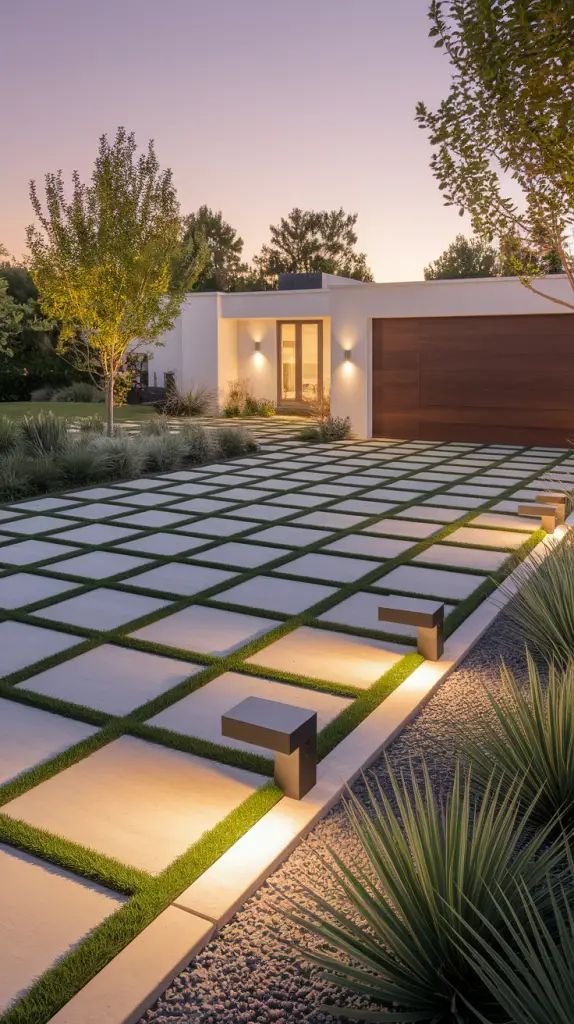
Contemporary Driveway Designs: Modern homes may suit cleaner lines, larger-format paving, simple edging or a smooth resin-bound finish. The final design should work with the property’s architecture and surrounding landscape.
Decorative Edging: Borders can define the driveway and create a stronger visual edge. Block paving can also introduce patterns or contrasting details where appropriate.
Parking and Vehicle Access: Good design starts with practical use. Number of vehicles, parking positions, turning space, pedestrian access, garage access, doorways, paths, boundaries and entrance width should all be considered.
Paths and Landscaping: The driveway should connect naturally with the rest of the frontage. Paths, planting areas, walls, gates and steps can influence the final layout.
Low-Maintenance Options: Maintenance varies by material. The right choice depends on how much time you want to spend cleaning, sweeping, controlling weeds, maintaining joints or replacing individual elements.
Why Choose Walker and Grouse Ltd for Your Driveway?
Choosing a driveway contractor is about more than selecting a surface. The project should take account of the practical requirements of the site and clearly communicate what is involved.
Site-Specific Approach: Each driveway has its own layout, ground conditions, drainage, access requirements and intended use.
Ground Preparation: Excavation, preparation, sub-base construction and drainage can all influence how the finished surface performs.
Materials and Design: If you are unsure whether tarmac, block paving, resin, gravel or another option is suitable, the decision should be based on the property, intended use, maintenance requirements, drainage and appearance.
Clear Quotations: Where applicable, the proposed scope should make preparation, materials, drainage, edging, waste removal and finishing requirements clear.
Hampshire Knowledge: Local projects can involve specific considerations around property access, road connections, drainage and planning. Genuine Hampshire projects and service locations should be used to demonstrate the areas actually served.
Guarantees, Insurance and Accreditations: Any guarantees, insurance details, qualifications or industry memberships should only be included where they genuinely apply to Walker and Grouse Ltd, with specific terms clearly explained.
Our Driveway Projects Across Hampshire
Real projects provide useful evidence of how a driveway solution works in practice. Where available, Walker and Grouse should showcase completed work with genuine project photographs and useful information.
New Driveway Installation Projects: Show examples of complete driveway installations, including the original condition, preparation and finished result.
Driveway Replacement and Resurfacing: Before-and-after examples can demonstrate how an existing driveway was improved through replacement or resurfacing.
Tarmac, Block Paving and Decorative Surfaces: Use genuine project photographs to demonstrate different materials, layouts, borders and finishes installed by the company.
Groundworks, Drainage and Access Improvements: Where projects include drainage, excavation, kerbing or access improvements, explain the problem identified and how the work addressed it.
Case Study Information: Where possible, each project should include the location, existing problem, customer requirement, chosen material, preparation required, drainage or access work and finished result.
Our Divisions
Large Scale Extension
Learn More
Driveways
Learn More
Full House Refurb
Learn More
Plan Your New Driveway With Walker and Grouse
A successful driveway project starts with understanding the property before choosing the final surface. Whether you need a new driveway, replacement, resurfacing or advice about drainage and access, Walker and Grouse Ltd can discuss your requirements and help you understand the practical options available.
Frequently Asked Question
How Long Does Driveway Installation Take?
Installation time depends on the size and complexity of the project, chosen material, preparation requirements, weather and site conditions. The expected programme should be discussed before work starts.
What Is the Best Material for a Driveway?
There is no universal best material. Tarmac can provide a practical surface, block paving offers design flexibility, resin-bound surfacing provides a decorative finish, gravel can suit traditional properties and concrete can provide a firm surface. The appropriate choice depends on the property, use, maintenance, drainage, appearance and budget.
How Long Should a Driveway Last?
Driveway lifespan depends on the material, quality of construction, ground preparation, drainage, traffic and maintenance. There is no single lifespan that applies to every driveway.
Do I Need Planning Permission for a New Driveway?
Requirements depend on the proposed surface, drainage arrangement and property. Permeable or porous surfacing, or directing rainwater to a lawn or border, can fall within permitted development in relevant circumstances. Additional restrictions can apply, so the appropriate planning authority should be checked.
Do I Need a Dropped Kerb?
If you are creating or widening vehicle access across a public footway or verge, a vehicle crossing or dropped kerb may be required. Highway approval and additional requirements may apply.
What Is Involved in Preparing the Ground?
Ground preparation can involve removing the existing surface, excavation, checking levels, preparing the formation, installing a suitable sub-base and completing drainage work where required.
How Do You Manage Driveway Drainage?
Drainage is planned according to property levels, surface type, soil conditions and available drainage options. Possible approaches include suitable falls, permeable construction, drainage channels and soakaways where appropriate.
Can You Replace an Existing Driveway?
An existing driveway can be assessed to determine whether repair, resurfacing or full replacement is appropriate. The surface and underlying construction should be considered before deciding on the approach.